Your child has spent the last few summers at a day program, but something feels different this year. Two questions worth asking yourself in this regard are what is a day camp and what is a sleepaway camp? Day camp, of course, means coming home every night. Sleepaway camp means living onsite for a full session. Here’s what to expect in a sleepaway camp once you look past the obvious though: A sleepaway camp offers a different kind of summer, built on continuity instead of a nightly reset. And Camp Tall Timbers has run sleepaway sessions in the Blue Ridge Mountains of West Virginia for more than 50 years.
Endless Adventure Instead of Activities on Repeat
So what is a day camp at its core? A loop: drop-off, activities, pickup, repeat, with a full reset every night. It works for a lot of families, but means less time with any one activity and less time with the same instructor.
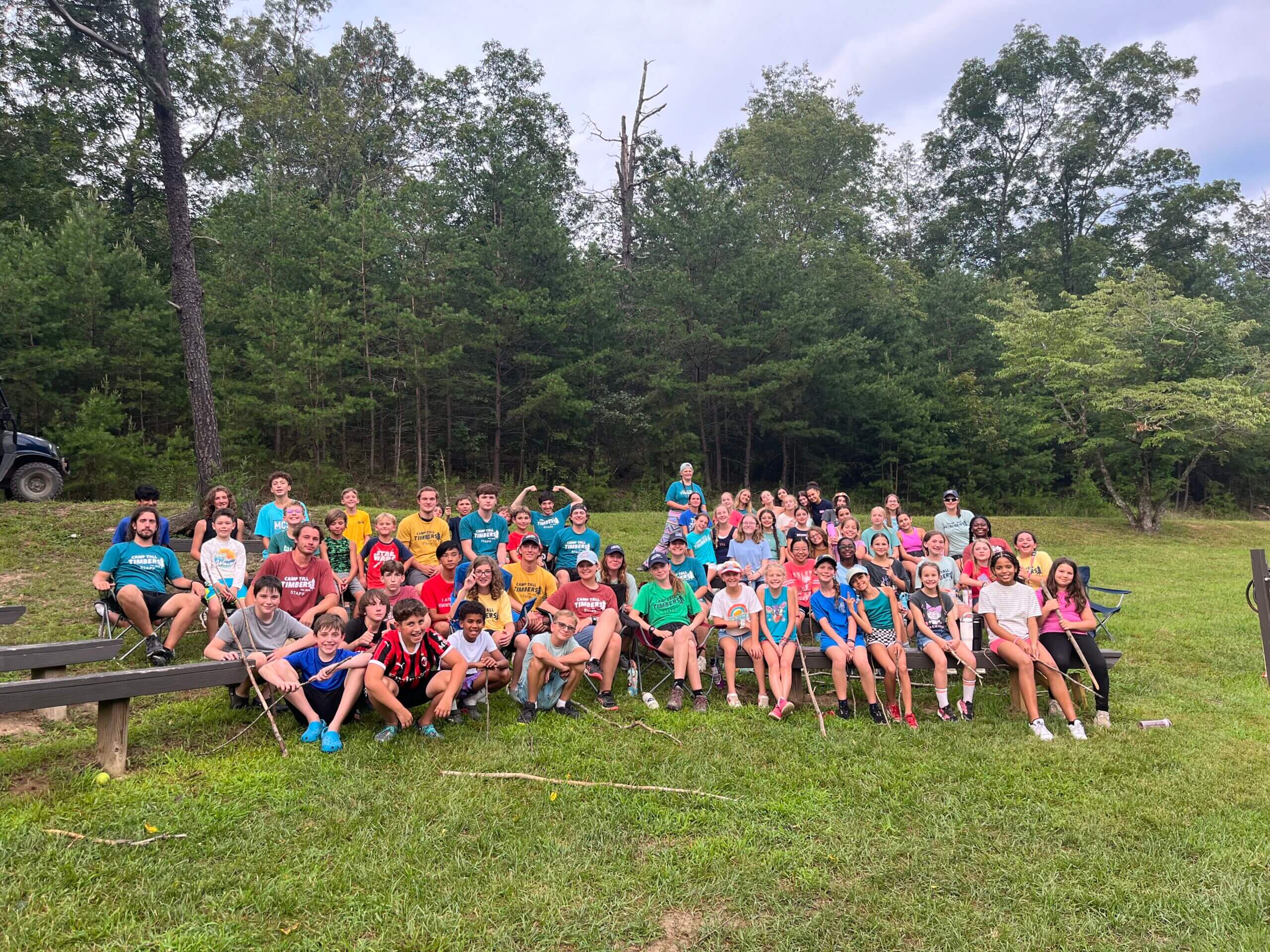
So what is a sleepaway camp, then, in contrast? It doesn’t reset. No pickup and drop-off, free swim right after lunch, and campers spend the whole session with the same instructors long enough to get personally pushed further. Sessions at Camp Tall Timbers start at two weeks, room enough to dig into an activity instead of just sampling it. Same cabinmates, same counselors, same widening skills: That’s what turns separate days into a full arc.
Independence That Builds on Itself
At day camp, independence has a ceiling: Kids make choices during the day, but by evening, a parent still makes sure teeth get brushed and bedtime happens on schedule.
Overnight camp removes that backstop. At Camp Tall Timbers, campers follow a shower schedule, show up for meals on time, brush their teeth, and keep their cabin neat: all without a parent checking and with a counselor there for support. At school and day camp, a parent still closes out the evening; at sleepaway camp, the camper does, building their own schedule across six activity areas.
For more on the subject, read How Overnight Camp Helps Kids Build Independence & Confidence.
Space That Lets Kids Work Through Hard Moments Themselves
At day camp, a child who has a rough day resets at home that night. At sleepaway camp, that same child works through hard moments with a counselor’s support. That’s not a downside; it’s where a lot of the growth associated with sleepaway camp happens. Contact with home shifts to letters, care packages, and updates, giving a camper room to sit with a disagreement or homesickness and work through it alone.
Counselors live in the cabin alongside campers, and a nurse is onsite around the clock so growth never comes at the expense of safety.
Friendships That Deepen Fast & Skills That Carry Back to School
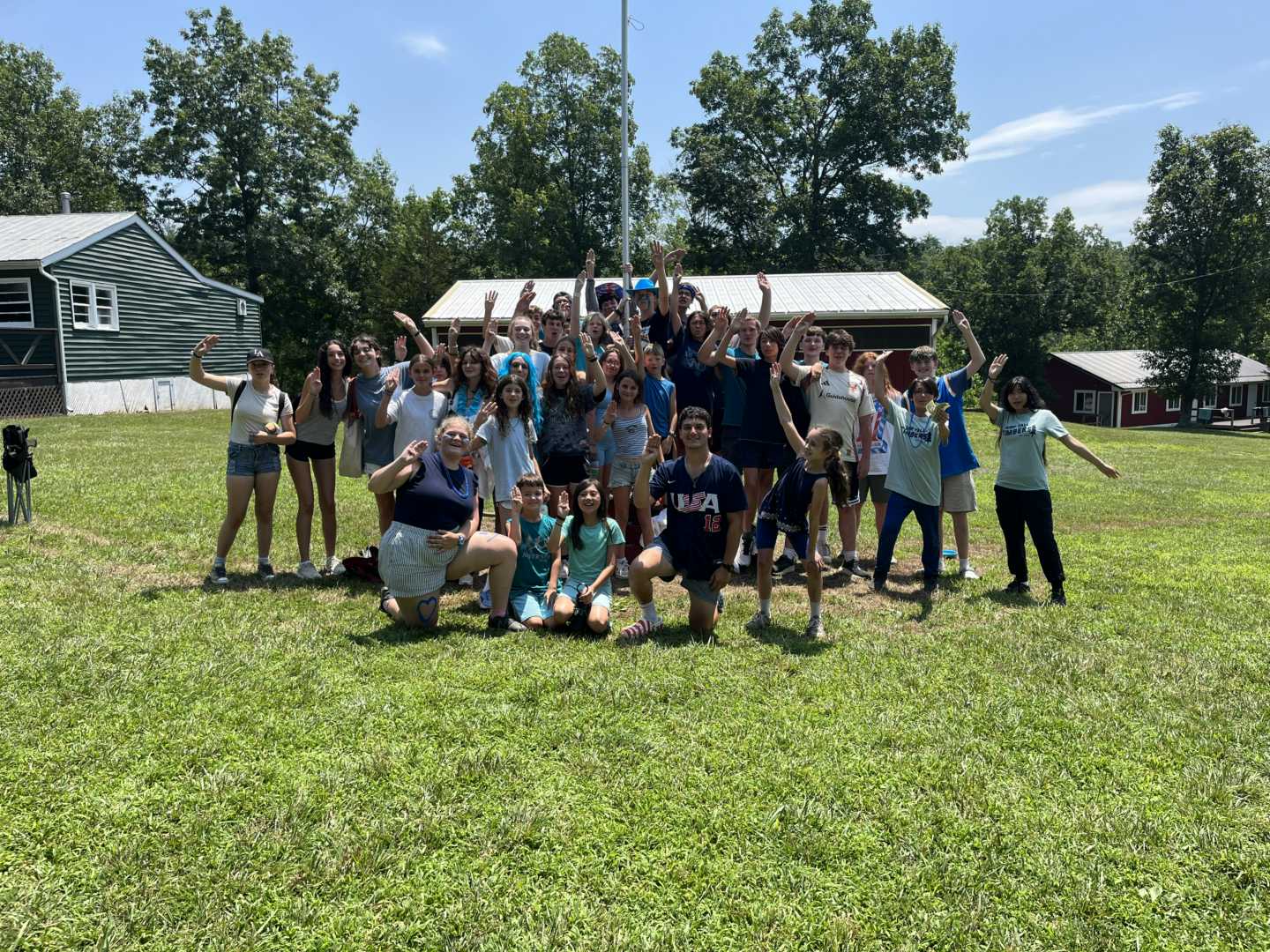
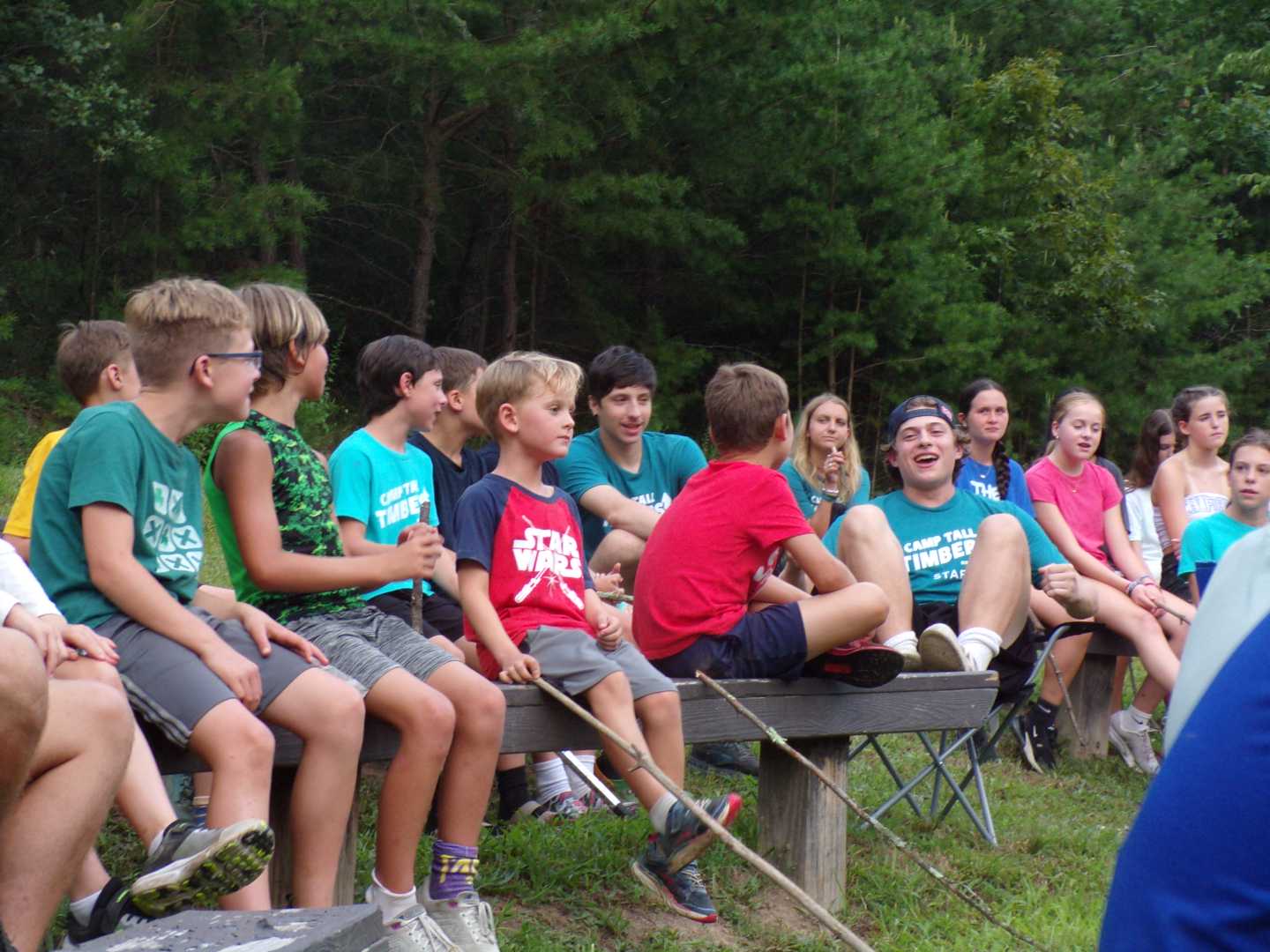
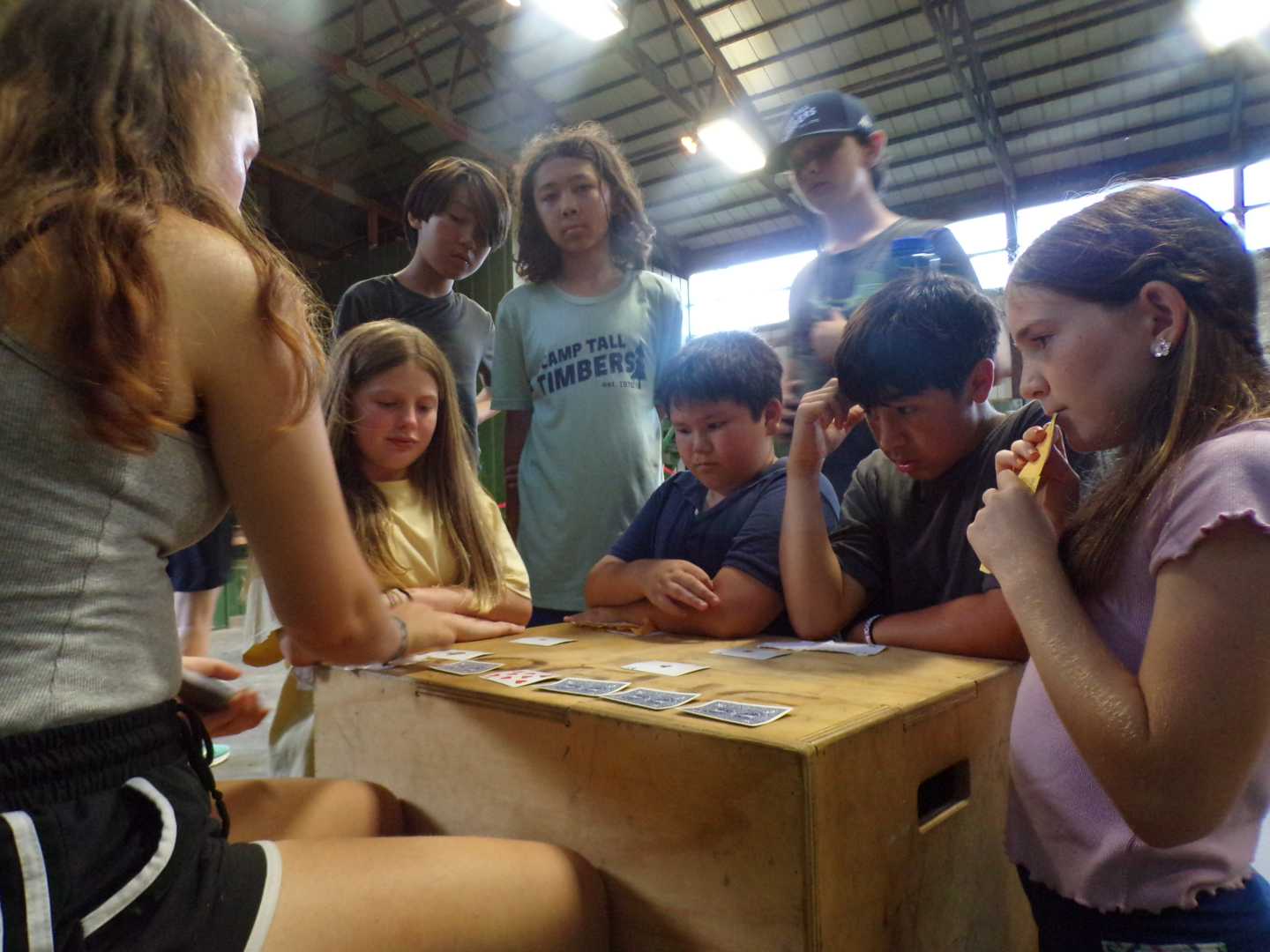
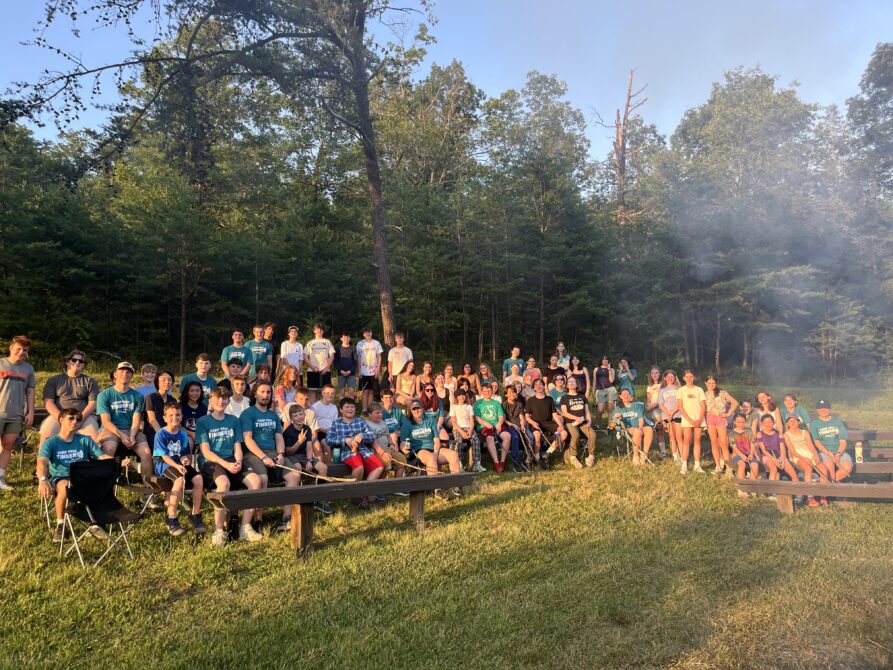
Day camp friendships build, but slowly, over repeated days in a few structured hours. Sleepaway camp compresses that timeline. Cabinmates share meals, activities, and evenings together, so friendships deepen in days. The payoff shows up later, a camper who learns to navigate a disagreement with a bunkmate or include a homesick cabinmate is practicing the exact social skills they’ll need come September: making a first friend, working through conflict without a parent smoothing it over.
One Price That Covers the Whole Experience
Day camp pricing is often broken into daily or weekly rates. A sleepaway session is priced differently. One price covers room, board, and activities for the full stay, from cabin activities to offsite day trips like a baseball game, a state park outing, or bowling, plus 24/7 supervision from wake-up to lights out. No add-on for extra hours, because there are none.
Programming That Matches Where a Camper Is
Day camp tends to serve kids through the elementary and middle school years, built around a single day at a time. Few day programs stretch into the teen years.
Overnight camp keeps growing with a camper. At Camp Tall Timbers, kids ages 7 to 16 return year after year, and by 9th and 10th grade, many step into the CIT program and take on real leadership in the community they grew up in, a progression a single day of programming can’t offer.
A Real Screen-Free Reset
Day camp device policies vary. Say a child attends one that doesn’t allow phones: a day-long break, then pickup happens and the device is back in their hands.
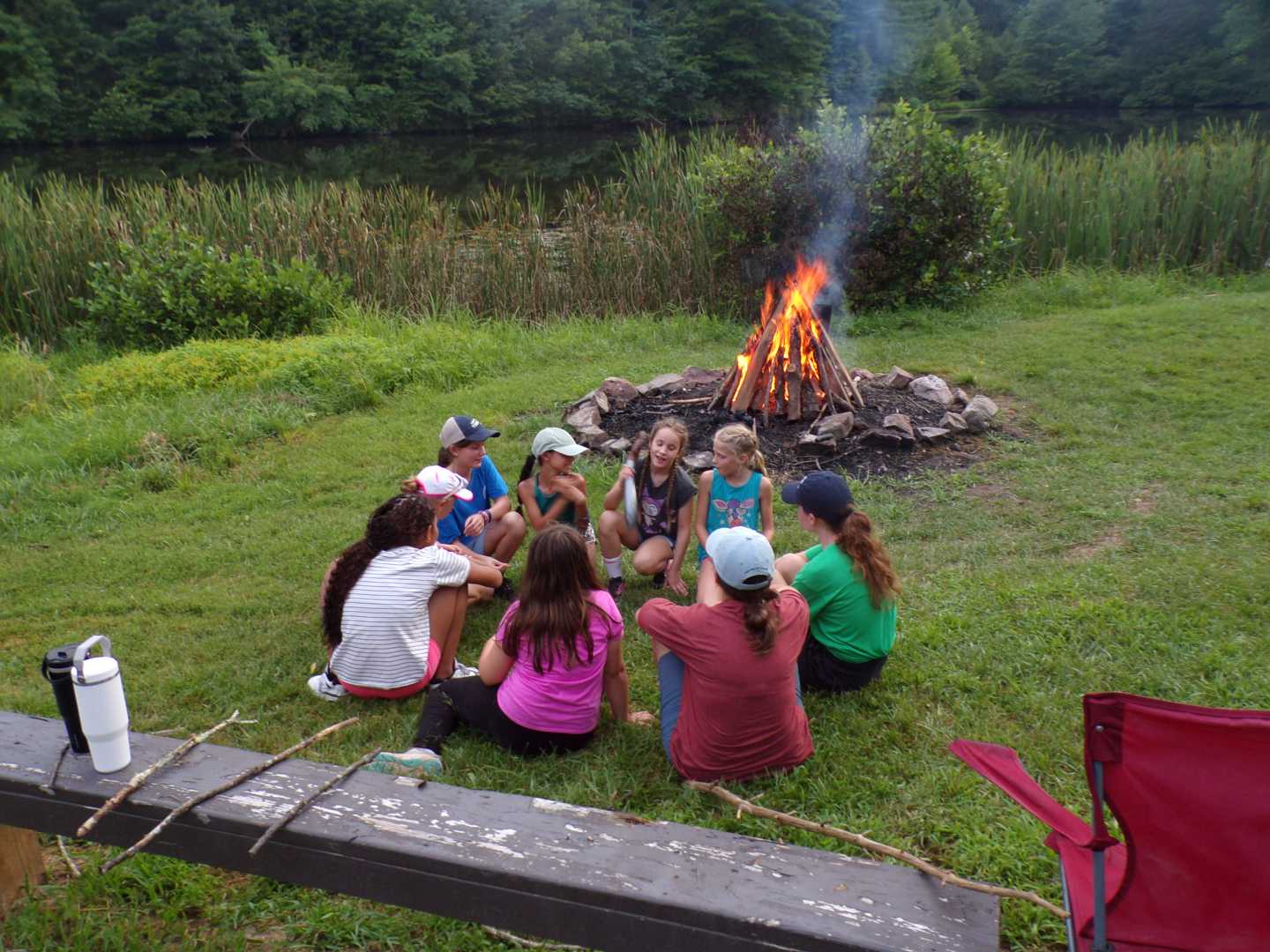
At sleepaway camp, the break is complete. Campers are screen-free for the entire session, long enough to notice the difference: more conversation at meals, more attention on a campfire, more energy left for the friend next to you instead of the screen in your pocket.
A Day in the Life at Camp Tall Timbers
Here’s what to expect in a sleepaway camp on a typical day at our West Virginia camp:
- Wake-up and cabin cleanup, with everyone tidying their bunk before breakfast
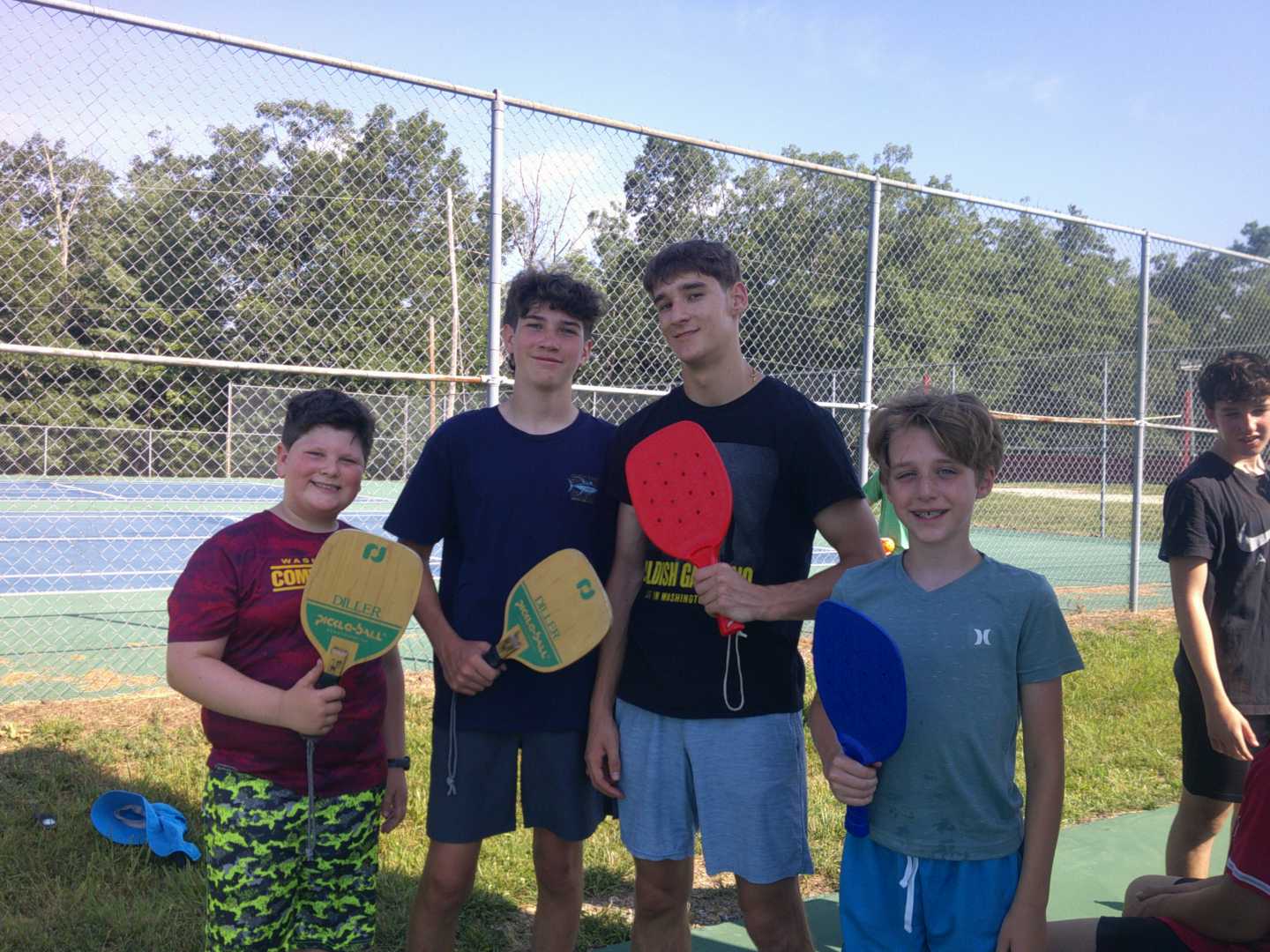
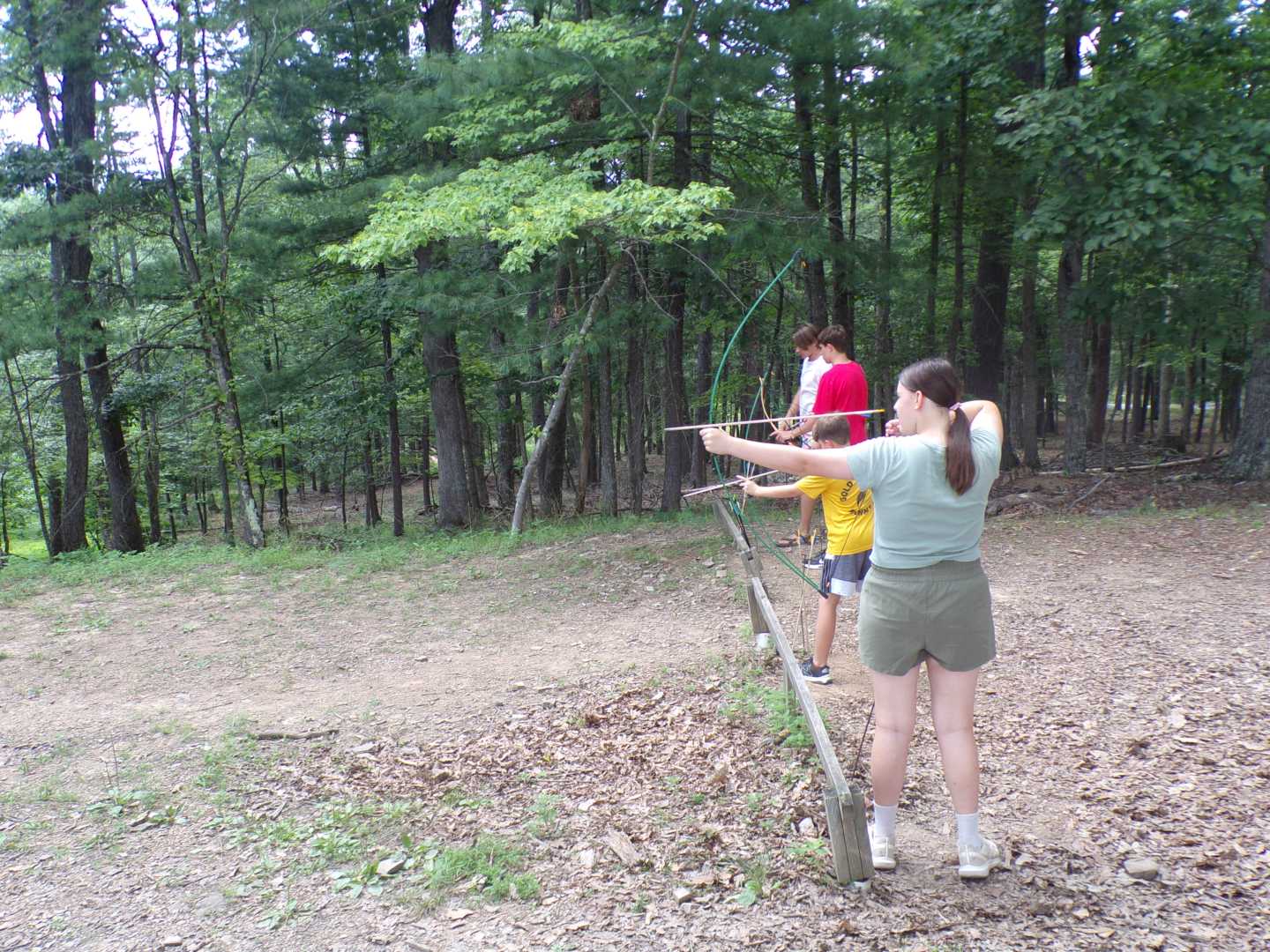
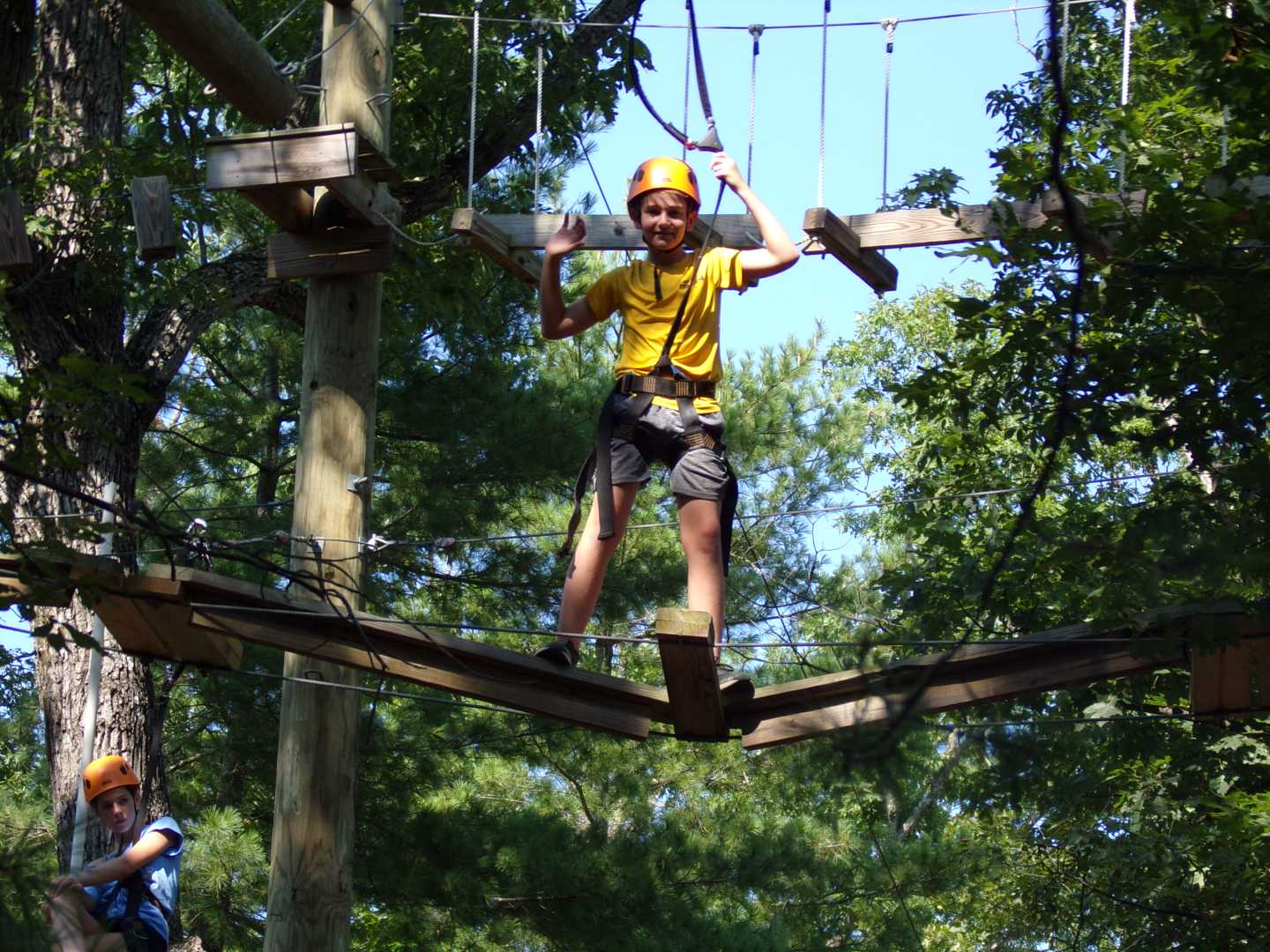
- Morning activity blocks built around each camper’s own interests, from horseback riding to archery
- Lunch, together as a full camp community
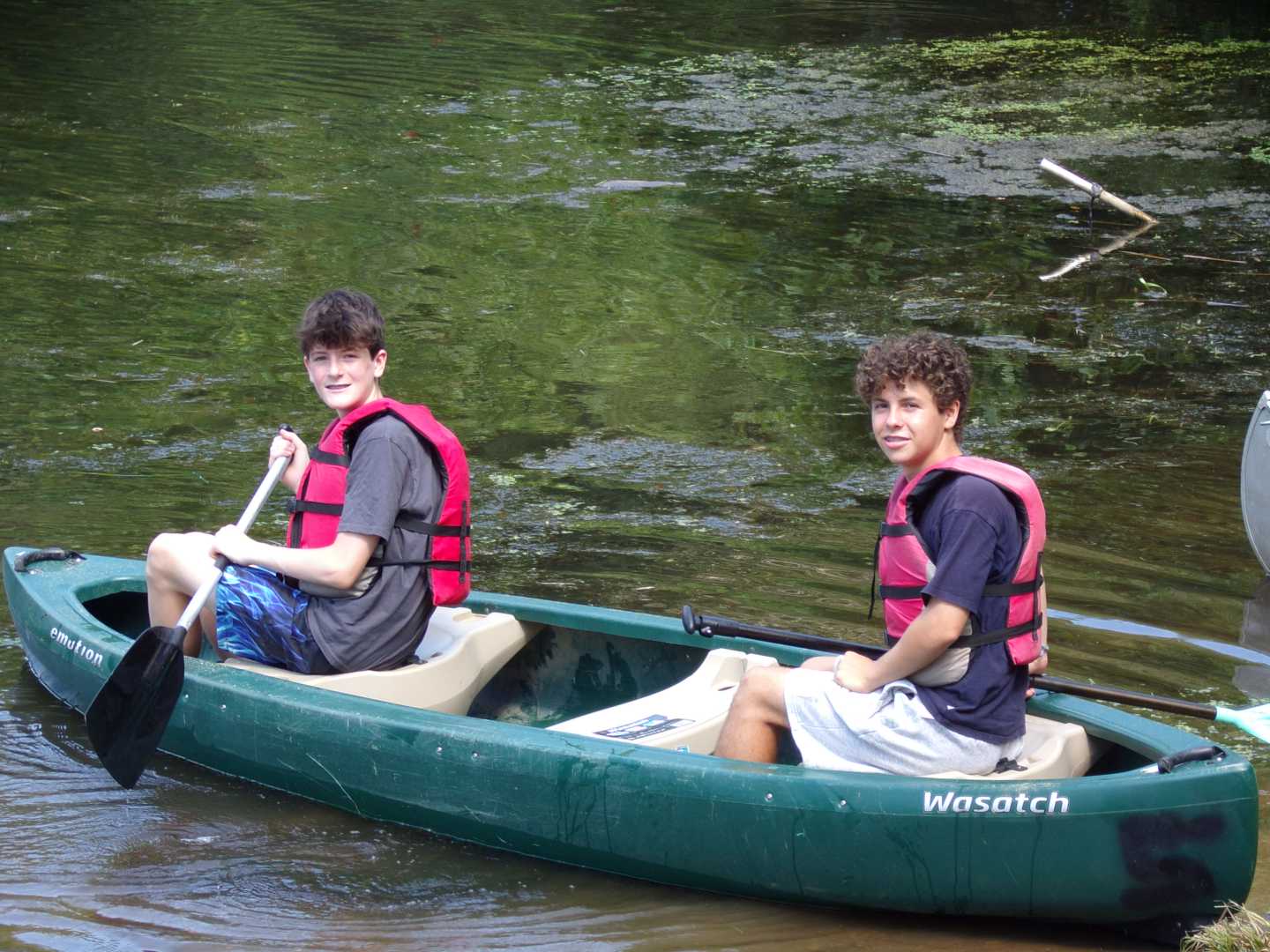
- Afternoon activity blocks ending with free swim
- Dinner, followed by evening program: campfires, talent shows, or cabin nights
- Lights out, with counselors always nearby
Day one covers orientation: unpacking (our packing list guide helps before drop-off), meeting cabinmates, and learning the rhythm of camp life. Counselors keep new campers busy from the first hour, since that’s when homesickness tends to first surface.
How to Tell Which One Your Child Is Ready For
Knowing what to expect in a sleepaway camp is one thing. Knowing whether your child is ready for it is another.
- Growing independence at home, without constant reminders
- A positive history with sleepovers at a friend’s house
- Enthusiasm for trying new activities and meeting new people
And a few signals suggest waiting a year is the better call:
- Ongoing separation anxiety, even in shorter, familiar settings
- A clear preference for staying close, without much curiosity about camp
Still unsure? Camp Tall Timbers offers a Virtual Open House Experience, a conversation with our director, Glenn, or a shorter first session good for use as an on-ramp.
For more on the subject, read 5 Signs Your Child Is Ready for Overnight Summer Camp.
How Camp Tall Timbers Handles the Hard Parts
Will my child get homesick? Most do, briefly, and that’s expected. As medicine, counselors keep new campers engaged from the first hour.
What if they hate it? We check in regularly, and parents can reach our team throughout a session. If something isn’t working, we adjust rather than let one hard moment define the stay.
Who’s watching my child? Counselors live in the cabin alongside campers, a nurse is onsite around the clock, and the camp is ACA accredited. Read more on our Camp Life, Health & Safety page.
Can we start small? Yes. A shorter first session is a great way to try camp without committing to a full summer, and our pre-season Family Weekend gives new families a firsthand look before enrolling.
Read more on the subject in Top 10 Questions Parents Ask About Overnight Summer Camps.
Finding the Right Fit
Day camp will be the right choice for a lot of families this summer, especially for younger, first-time campers. But for a child who’s ready, overnight camp goes further: deeper friendships, compounding independence, and a screen-free experience long enough to land. Now that you know what to expect in a sleepaway camp, you’re ready to make the call with confidence.
If you think your child might be ready for a sleepaway camp for kids like ours, take a look at our Virtual Open House Experience, explore our session options, or reach out to our team. We’ve spent 50 summers in the West Virginia foothills helping families make this decision.